

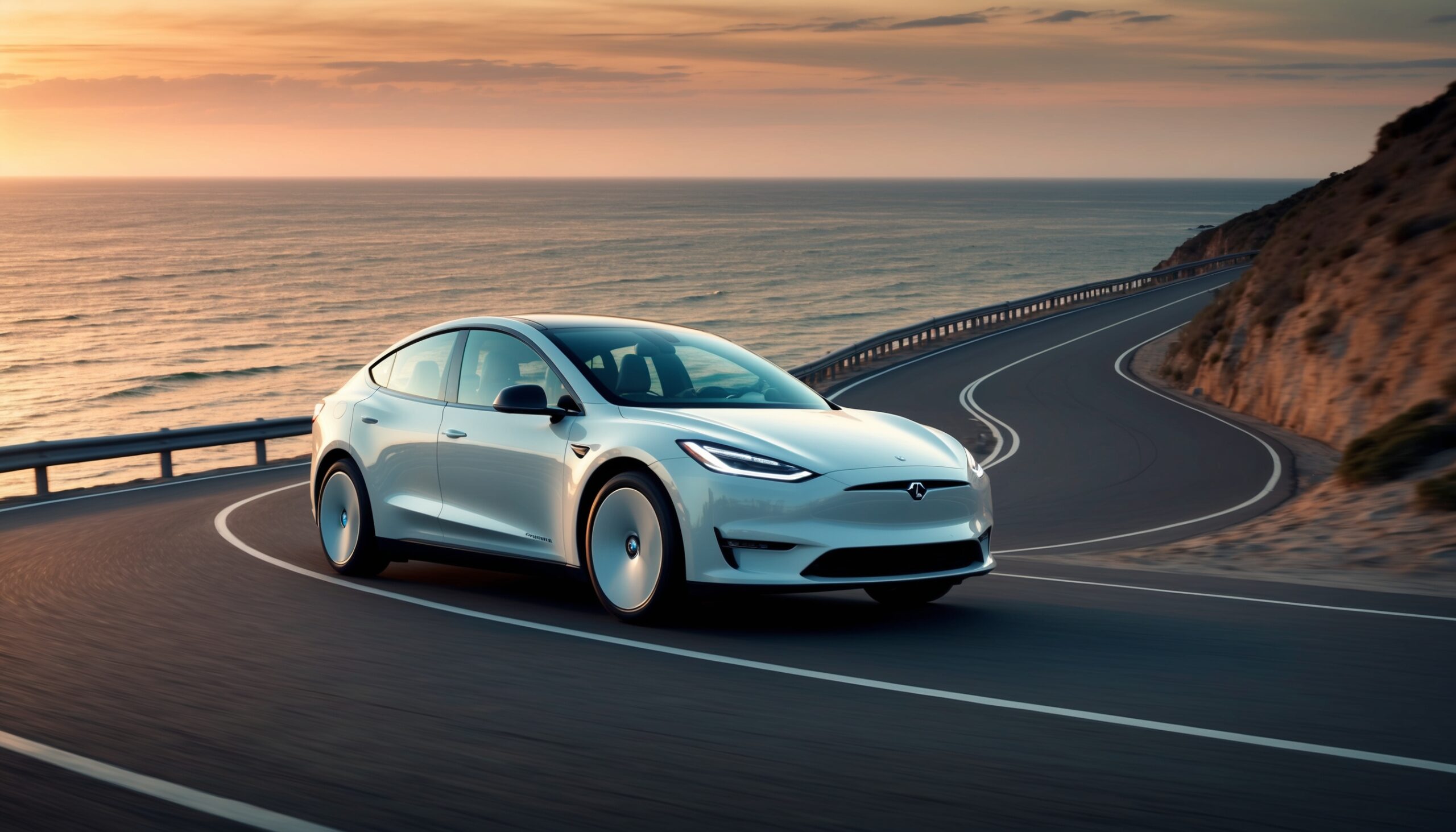
The Impact of New Aerodynamic Design on EV Range and Performance
As car enthusiasts, we’ve always had a keen eye on how design influences performance. In the world of electric vehicles (EVs), this relationship is especially crucial. Aerodynamics—once a term mostly reserved for sports cars and performance machines—is now a focal point in the EV revolution. With advancements in technology and a growing emphasis on efficiency, aerodynamic design is not merely a stylistic choice; it’s a game-changer for range and performance. Here at Torque Feed, we’re diving deep into how these new design principles are shaping the future of electric mobility.
Understanding Aerodynamics: The Basics
Before we get into the nitty-gritty, let’s quickly brush up on what aerodynamics actually entails. At its core, aerodynamics refers to how air interacts with moving objects. In the automotive realm, this translates to how well a vehicle cuts through the air, affecting drag and lift. The lower the drag coefficient, the better the vehicle can maintain speed with less energy consumption—a critical factor for EVs that rely on battery power.
The Importance of Drag Coefficient
One of the most significant metrics in aerodynamic design is the drag coefficient (Cd). This number represents the amount of aerodynamic drag a vehicle encounters as it moves through the air. A lower Cd means less resistance, which ultimately translates into better efficiency and range. For example:
- Traditional Cars: Most conventional vehicles have a Cd between 0.28 to 0.35.
- High-Performance Sports Cars: These often feature a Cd as low as 0.25 or even lower, thanks to their sleek designs.
- Modern EVs: Manufacturers are pushing the envelope, with some models achieving a Cd as low as 0.20.
Every fraction of a point can make a significant difference in range, especially as manufacturers strive to maximize battery efficiency. The less energy needed to overcome air resistance, the more power is available for driving range.
Innovative Design Strategies in EVs
With the stakes higher than ever, automotive engineers and designers are employing a variety of innovative strategies to enhance aerodynamics in electric vehicles. Let’s explore some of these groundbreaking approaches.
1. Streamlined Shapes
The first step in improving aerodynamics is often the most fundamental: the shape of the vehicle. Modern EVs are increasingly adopting streamlined shapes that minimize turbulence. These designs often feature:
- Sleek Rooflines: A gently sloping roof reduces drag, allowing air to flow more smoothly over the vehicle.
- Rounded Front Ends: A rounded or tapered front helps disperse air more efficiently, reducing drag.
- Chopped Rear Designs: Instead of a traditional flat back, many EVs now sport a fastback style that helps air detach cleanly, reducing wake turbulence.
These design choices not only improve aerodynamics but also lend a modern aesthetic that appeals to consumers.
2. Active Aerodynamics
Imagine a car that adjusts its aerodynamic features dynamically while driving. This is the magic of active aerodynamics. Some EVs are now equipped with adjustable spoilers, grille shutters, and air curtains. These components can change positions based on speed and driving conditions to optimize airflow. They enhance performance in several ways:
- Improved High-Speed Stability: By adjusting components at high speeds, the vehicle can maintain optimal downforce, enhancing handling.
- Enhanced Energy Efficiency: Lower drag at cruising speeds means less energy consumption, directly impacting range.
- Sporty Performance: Active features can also enhance the driving experience, giving enthusiasts a taste of motorsport engineering.
3. Underbody Design
While we often focus on the exterior, the underbody of a vehicle plays a crucial role in aerodynamics as well. Many new EVs feature:
- Flat Underbodies: A smooth undercarriage reduces turbulence and drag beneath the vehicle, significantly improving airflow.
- Diffusers: Some designs include diffusers that manage airflow at the rear of the vehicle, aiding in downforce and drag reduction.
- Protective Covers: These not only shield battery components but also improve airflow, creating a more streamlined shape underneath.
By paying attention to what’s happening below the surface, engineers can make substantial gains in efficiency.
Real-World Examples of Aerodynamic Innovation
Now that we’ve covered some of the design strategies, let’s take a look at how these concepts are being put into practice. Several manufacturers are leading the charge with innovative designs that showcase the benefits of enhanced aerodynamics.
The Tesla Model 3
The Tesla Model 3 is often hailed for its impressive range, and much of that can be attributed to its aerodynamic design. With a drag coefficient of just 0.23, its sleek shape and smooth underbody contribute significantly to its efficiency. The Model 3 utilizes:
- Sleek Body Lines: Its rounded edges and smooth transitions minimize air resistance.
- Active Spoiler: This feature enhances downforce at higher speeds, ensuring stability without sacrificing efficiency.
This combination allows the Model 3 to travel longer distances on a single charge, making it a favorite among EV enthusiasts.
The Lucid Air
Another standout example is the Lucid Air, which boasts a remarkable drag coefficient of 0.21. Lucid Motors has taken aerodynamic design to new heights with features like:
- Unique Front End: The Lucid Air’s distinctive front design not only looks futuristic but also promotes smoother airflow.
- Efficient Cooling Systems: The vehicle’s cooling systems are designed to minimize drag while maintaining optimal battery temperatures.
This attention to detail allows the Lucid Air to not only achieve impressive range figures but also provide a luxurious driving experience.
The Ford Mustang Mach-E
Ford’s Mustang Mach-E is another excellent case study in aerodynamic advancement. With a drag coefficient of around 0.29, this EV combines iconic design with modern efficiency. Key features include:
- Sporty Roofline: The Mach-E’s sloping roofline mirrors its performance heritage while aiding in aerodynamics.
- Integrated Spoilers: Subtle spoilers are included in the design, improving downforce without compromising style.
The Mach-E showcases that aerodynamics can be stylish and functional, appealing to a broad range of consumers.
The Role of Materials in Aerodynamic Design
While shape is critical, the materials used in construction can also influence aerodynamic efficiency. Lightweight materials like aluminum and carbon fiber are becoming more prevalent in EV design. Here’s why they matter:
- Weight Reduction: Lighter materials help reduce the overall weight of the vehicle, allowing for better efficiency and performance.
- Structural Integrity: Advanced materials can maintain strength while offering aerodynamic benefits, enabling more intricate designs.
- Cost Effectiveness: As production methods improve, these materials may become more accessible, allowing for mass-market adoption of advanced designs.
As manufacturers continue to innovate, we can expect to see even more exciting applications of materials in aerodynamic designs.
The Future of Aerodynamics in EVs
The future of electric vehicles is undoubtedly intertwined with advancements in aerodynamic design. With the ongoing push for better range and performance, manufacturers are likely to explore even more cutting-edge technologies and strategies. Here are some trends we expect to see in the coming years:
1. Integration of AI and Machine Learning
As technology evolves, we anticipate that manufacturers will leverage artificial intelligence and machine learning to optimize aerodynamic designs. By analyzing real-time data from vehicles, AI can help engineers make iterative adjustments to designs, enhancing efficiency and performance on the fly.
Also Read: New Federal Safety Standards for Vehicles Without Manual Controls
2. More Sustainable Design Practices
With a growing emphasis on sustainability, future aerodynamic designs may incorporate eco-friendly materials and practices. This could mean using recycled materials or developing new composites that offer both lightweight properties and reduced environmental impact.
3. Enhanced Simulation Technologies
Advanced simulation technologies are already transforming the design process. As these tools become more sophisticated, engineers will be able to visualize and test aerodynamic concepts more effectively, leading to groundbreaking designs that push the limits of efficiency.
Conclusion
As we’ve explored, the impact of new aerodynamic designs on electric vehicles is profound. From improving range to enhancing performance, these innovations are crucial in the quest for more efficient and capable EVs. The automotive landscape is evolving, and at Torque Feed, we’re excited to witness how these changes will shape the future of driving. With an eye on the horizon, we can anticipate that the marriage of technology and design will continue to redefine what’s possible in the world of electric vehicles, leading to a more sustainable and thrilling driving experience.
Also Read: The EV Tax Credit Landscape: Latest Policy Changes and Consumer Impact


