

Modular Vehicle Platforms: Designing Cars for Multi-Purpose Use
In the ever-evolving world of automotive design, the concept of modular vehicle platforms has gained remarkable traction. What exactly does this mean? Essentially, a modular platform allows manufacturers to create various models and configurations from a single underlying architecture. This approach not only streamlines production but also opens up exciting possibilities for customization and versatility. At Torque Feed, we’re passionate about the intricacies of automotive engineering, and today, we’re diving deep into the fascinating world of modular platforms.
Also Read: The Shift to "Software-Defined Vehicles" (SDVs): What Does It Mean for Drivers?
What is a Modular Vehicle Platform?
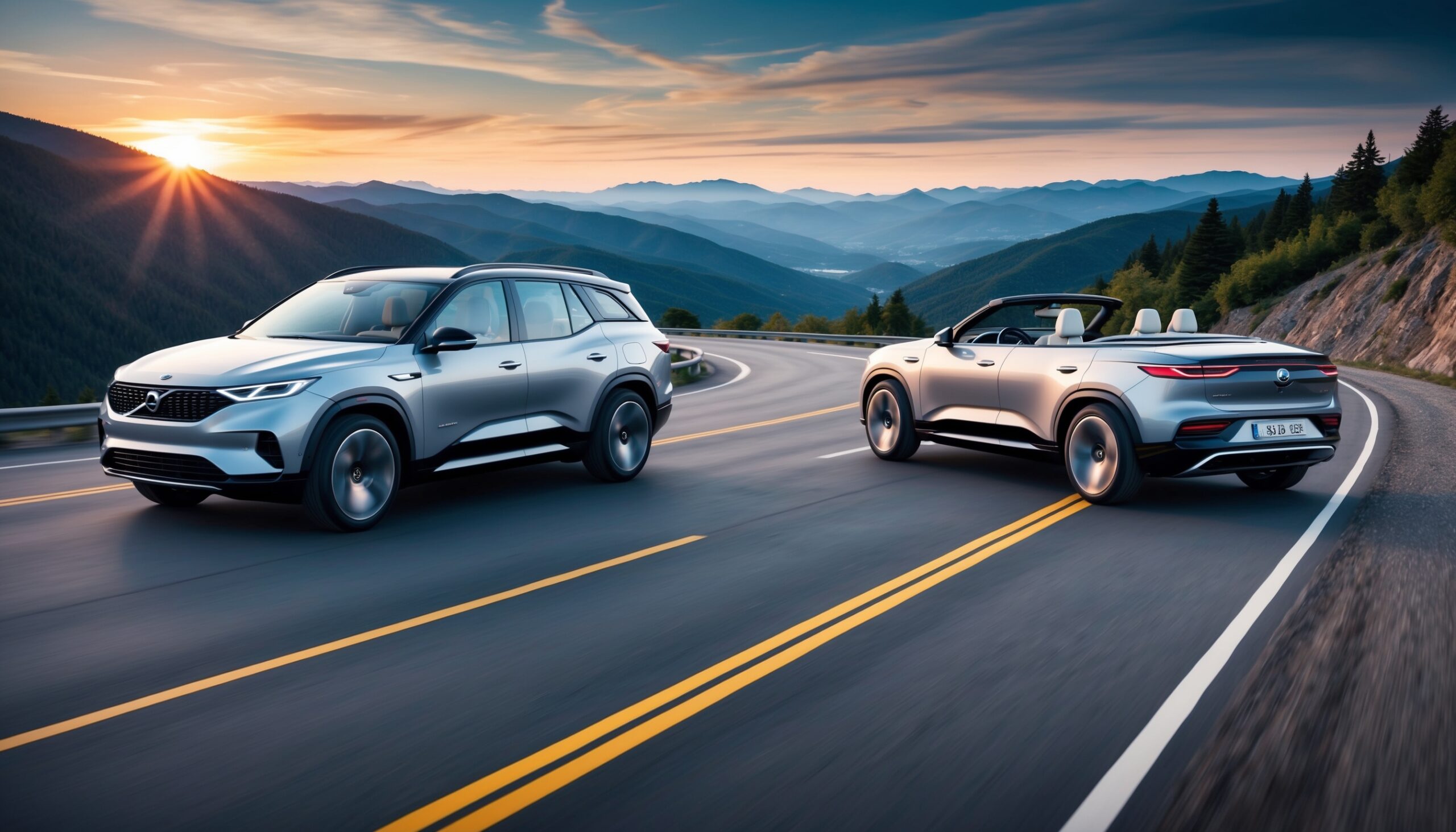
A modular vehicle platform serves as a scalable base that can support multiple vehicle types, from sedans to SUVs, and even electric vehicles. This design philosophy enables manufacturers to share components, structures, and systems across different models. Imagine a single chassis that can be adapted to accommodate a family-friendly minivan or a sporty hatchback. This flexibility is what makes modular platforms so appealing in today’s automotive landscape.
The Benefits of Modular Platforms
So, why should we care about modular vehicle platforms? There are several compelling reasons that both manufacturers and car enthusiasts can appreciate:
- Cost Efficiency: By streamlining production and reducing the number of unique parts needed, manufacturers can significantly cut costs. This efficiency can lead to lower prices for consumers.
- Faster Development: Modular platforms allow for quicker design and development cycles. Manufacturers can bring new models to market faster, responding to consumer demands and trends in real-time.
- Enhanced Customization: With a modular approach, manufacturers can easily offer a range of configurations and features. This means consumers can choose from various options, creating a more personalized driving experience.
- Improved Sustainability: Sharing components reduces waste and minimizes the environmental impact of manufacturing. As the automotive industry shifts toward sustainability, modular platforms play a crucial role.
- Adaptability: The same platform can be adapted to different powertrains, whether traditional internal combustion engines, hybrids, or fully electric vehicles. This versatility is vital as the market shifts toward electrification.
The Evolution of Modular Platforms
The journey of modular vehicle platforms is a fascinating tale of innovation and engineering prowess. The concept isn’t new, but its application has evolved dramatically over the years. Early examples of modularity can be traced back to the Volkswagen Group, which pioneered the use of the MQB (Modularer Querbaukasten) platform. This platform serves as the foundation for numerous models, including the VW Golf, Audi A3, and Skoda Octavia.
As automakers recognized the advantages of this approach, more companies began adopting modular platforms. Today, you’ll find platforms like the TNGA (Toyota New Global Architecture) from Toyota, the CMA (Compact Modular Architecture) from Volvo, and the MEB (Modular Electric Drive Matrix) from Volkswagen, each designed with flexibility and multi-purpose use in mind.
Case Study: The Volkswagen MQB Platform
The Volkswagen MQB platform is one of the most successful examples of modular vehicle architecture. Launched in 2012, this platform allows for a wide range of vehicles to be built with shared components while offering unique styling and features. Here are some highlights:
- Shared Components: The MQB platform enables the use of common parts across various models, reducing costs and complexity.
- Adaptability: It can accommodate different engine types, including gasoline, diesel, and electric powertrains.
- Scalability: From compact cars to larger SUVs, the versatility of the MQB platform is evident in its application across the VW lineup, including the Audi Q3 and SEAT Ateca.
By leveraging the MQB platform, Volkswagen has managed to deliver vehicles that appeal to a broad audience while maintaining high-quality standards and performance.
Designing for Multi-Purpose Use
One of the most exciting aspects of modular vehicle platforms is the design flexibility they offer. Automakers can create vehicles tailored for specific markets or consumer needs without starting from scratch. This multi-purpose approach allows for innovation and creativity while keeping manufacturing costs in check.
Example: The Toyota TNGA Platform
Toyota’s TNGA platform exemplifies how modular designs can cater to diverse vehicle categories. Launched in 2015, TNGA underpins a variety of models, including the Camry, RAV4, and Prius. Here’s how Toyota has utilized this platform for multi-purpose use:
- Dynamic Performance: TNGA enhances driving dynamics through a lower center of gravity and increased rigidity, providing a sportier feel across all models.
- Versatile Configurations: From sedans to crossovers, TNGA allows Toyota to create vehicles that meet different consumer preferences without compromising performance.
- Hybrid Synergy: The platform supports hybrid and electric powertrains, making it easier for Toyota to transition to eco-friendly options.
With TNGA, Toyota has not only improved efficiency in production but also delivered vehicles that resonate with a wide range of drivers.
The Future of Modular Platforms
As we look ahead, the future of modular vehicle platforms is set to become even more exciting. With the automotive industry shifting towards electrification and autonomous driving technologies, modular platforms will play a pivotal role in shaping the next generation of vehicles.
Electric Vehicles and Modular Design
The rise of electric vehicles (EVs) has further amplified the importance of modular platforms. Since EVs often require different design considerations, such as battery placement and weight distribution, modular platforms can be adapted to accommodate these changes seamlessly. Here are some trends we can expect:
- Dedicated EV Platforms: Manufacturers are developing platforms specifically designed for electric vehicles, optimizing space and performance. Platforms like VW’s MEB and Tesla’s platforms exemplify this trend.
- Shared Technologies: As more automakers embrace electrification, we’ll see a surge in shared technologies across different brands, further enhancing the efficiency of modular platforms.
- Autonomous Capabilities: Modular platforms will be designed with autonomous driving technologies in mind, allowing for easy integration of sensors and software.
The quest for sustainability in automotive design is also pushing manufacturers to rethink modular platforms. By focusing on recyclability and sustainable materials, the next generation of modular architectures will not only be efficient but also environmentally friendly.
Challenges in Modular Vehicle Platforms
While the benefits of modular platforms are numerous, there are also challenges that manufacturers must navigate. Here are some of the hurdles they face:
- Balancing Standardization and Customization: Finding the right balance between standardized components and unique features can be tricky. Manufacturers must ensure that vehicles still feel distinct despite sharing a platform.
- Complex Supply Chains: As automakers share components, managing supply chains becomes more complex. Ensuring that all parts are available when needed is crucial for production efficiency.
- Consumer Perception: Some consumers may worry that vehicles built on the same platform lack individuality. Manufacturers must work hard to differentiate their offerings in a crowded market.
Revolutionizing the Automotive Landscape
Despite these challenges, the modular vehicle platform approach is revolutionizing the automotive landscape. By enabling manufacturers to create a diverse range of vehicles from a single architecture, we can expect to see more exciting models that cater to various consumer needs.
At Torque Feed, we’re thrilled by the possibilities that modular platforms present. As automakers continue to innovate, we can look forward to a future filled with versatile, efficient, and sustainable vehicles that push the boundaries of what cars can do.
The Role of Technology in Modular Platforms
Technology is at the heart of modular vehicle platforms, enabling design, manufacturing, and performance enhancements that were once thought to be impossible. Here’s how technology is shaping the future of modular platforms:
- Advanced Manufacturing Techniques: Technologies like 3D printing and robotics are streamlining production processes, allowing for rapid prototyping and reduced manufacturing times.
- Connected Vehicles: Modular platforms are designed to integrate with advanced infotainment systems and connectivity features, enhancing the driving experience and safety.
- Data-Driven Design: Automakers can leverage big data and analytics to understand consumer preferences, leading to more tailored and appealing vehicle designs.
As technology continues to evolve, it will inevitably influence how modular platforms are designed and implemented, making them more efficient and adaptable than ever.
Also Read: The Business Case for DC Fast Charging: Who Will Win the Network War?
Consumer Expectations and Modular Platforms
As consumers become more discerning, their expectations for vehicles are changing. Modular platforms allow manufacturers to respond effectively to these evolving demands. Here are some key consumer expectations:
- Personalization: Consumers increasingly seek vehicles that reflect their lifestyles and preferences. Modular platforms enable manufacturers to offer customizable options that resonate with buyers.
- Safety and Technology: Modern drivers expect advanced safety features and cutting-edge technology. Modular platforms can easily accommodate these innovations, ensuring that vehicles remain competitive.
- Efficiency and Sustainability: With growing concerns about the environment, consumers are looking for vehicles that are not only efficient but also sustainable. Modular platforms can support the integration of eco-friendly technologies.
By understanding and addressing these expectations, manufacturers can leverage modular platforms to create vehicles that truly resonate with their target audiences.
Conclusion: Embracing the Modular Future
The landscape of automotive design is shifting, and modular vehicle platforms are at the forefront of this transformation. They offer manufacturers the ability to create versatile, efficient, and customizable vehicles that meet the needs of modern consumers. As technology advances and consumer expectations evolve, we can expect to see even more exciting innovations in the world of modular platforms.
At Torque Feed, we’re excited to follow the journey of modular vehicle platforms as they reshape the automotive industry. Stay tuned for more insights and updates on the latest trends in automotive design!


