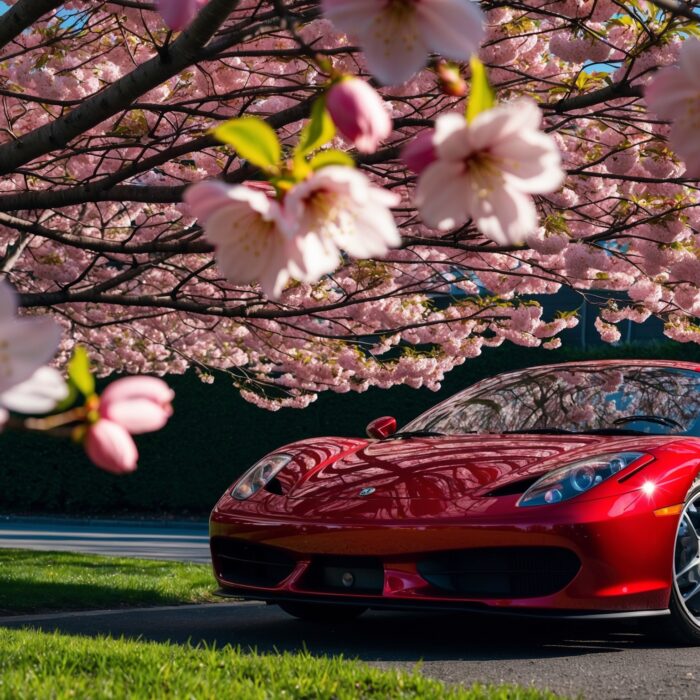

Genesis Magma’s Future: Electric vs Gas V-6s and V-8s
The automotive world is in a state of flux, and there’s no better example of this change than the Genesis Magma. With its sleek design and powerful performance, the Magma has captured the hearts of car enthusiasts everywhere. But as the industry pivots towards electrification, a burning question arises: what’s the future of the Genesis Magma? Will it embrace the electric revolution, or will it remain loyal to the roaring V-6s and V-8s that thrill so many? In this blog post, we’ll dive deep into the electrification debate, exploring both sides of the argument while keeping the passion of car enthusiasts at the forefront.
The Genesis Magma: A Quick Overview
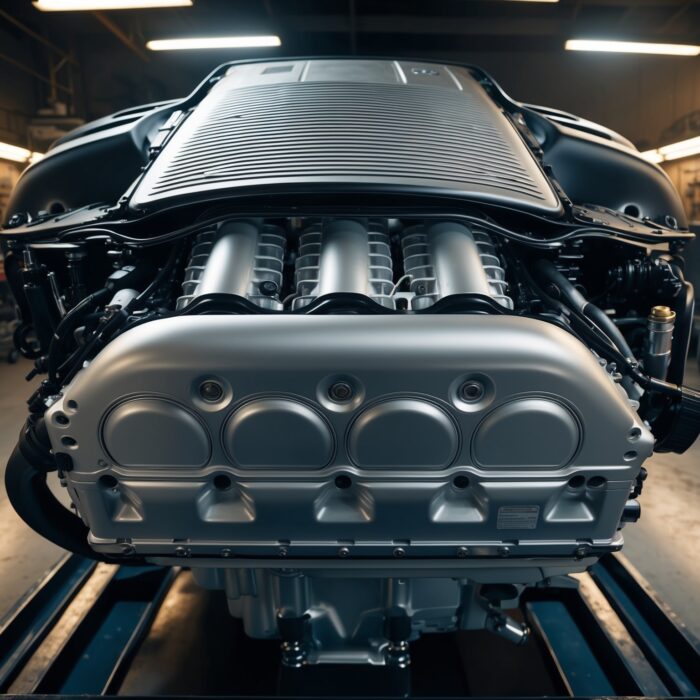
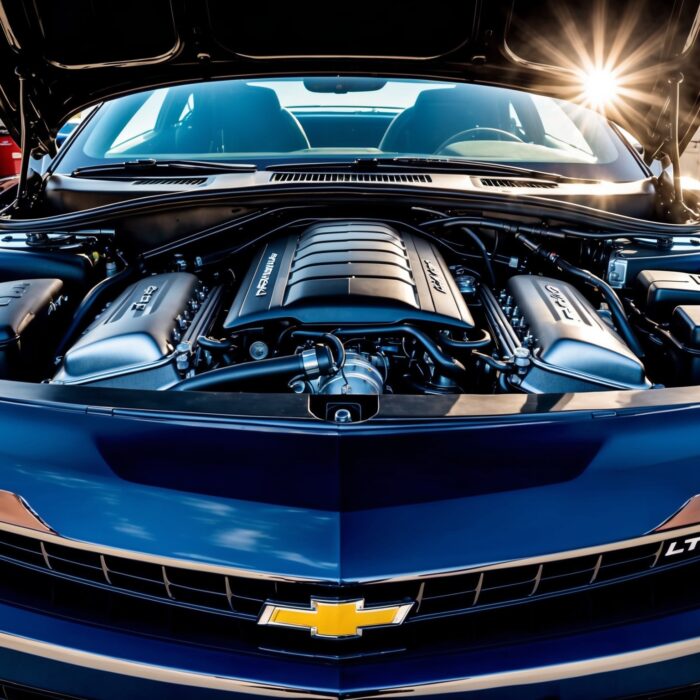
The Genesis Magma is a standout model in the luxury automotive segment, known for its combination of comfort, performance, and cutting-edge technology. With a design language that speaks to both elegance and aggression, the Magma has made its mark. But what truly sets it apart is its powerful engine options. Traditionally, the Magma has been offered with both V-6 and V-8 engines, delivering exhilarating performance that has made it a favorite among driving purists.
The Allure of the V-6 and V-8 Engines
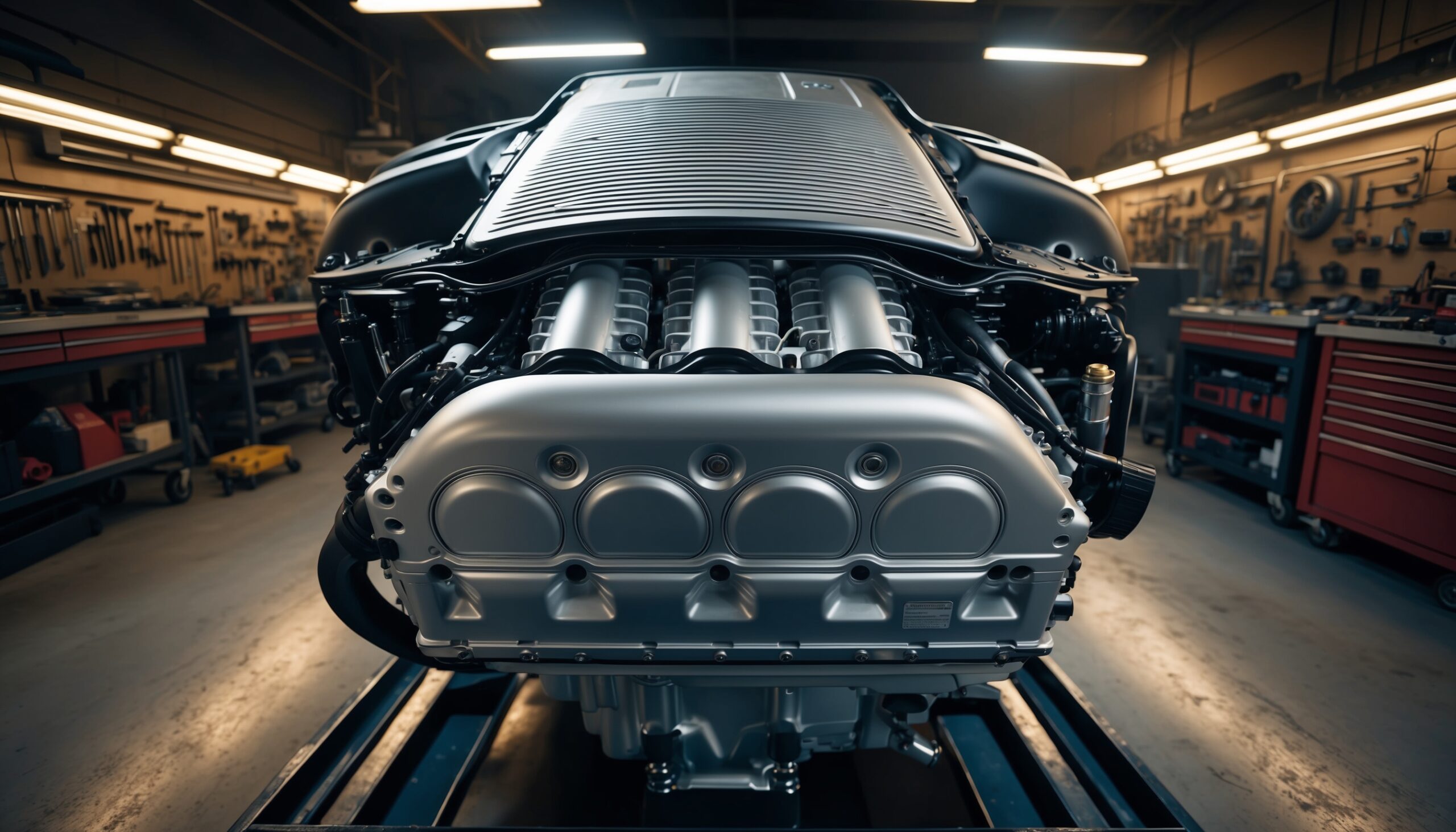
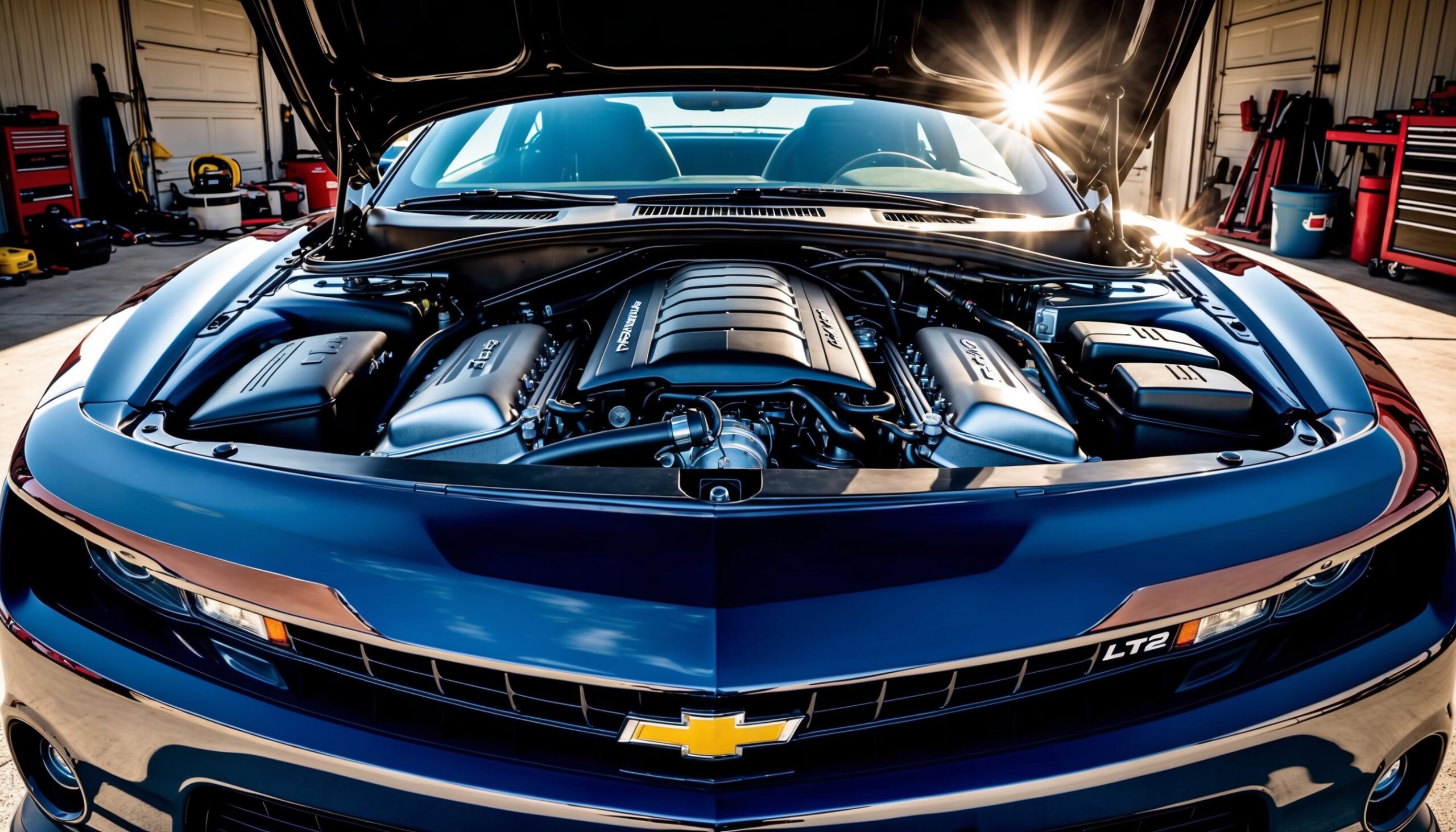
For many car enthusiasts, the sound and feel of a gas-powered engine is irreplaceable. Let’s break down the reasons why V-6s and V-8s have maintained their popularity:
- Performance: V-6 and V-8 engines are known for their power and torque delivery. The immediate response and acceleration can be thrilling, especially on open roads or racetracks.
- Sound: There’s nothing quite like the growl of a V-8 engine. The auditory experience adds to the overall enjoyment of driving, creating a visceral connection between the driver and the vehicle.
- Heritage: For many brands, V-6 and V-8 engines represent a legacy. They carry a history of performance that resonates with long-time fans of the marque.
- Modifiability: Gas engines offer enthusiasts the opportunity to modify and tune their vehicles, whether it’s through aftermarket exhaust systems, superchargers, or performance chips.
The Case for Electric Vehicles
On the flip side, the automotive industry is swiftly moving towards electric vehicles (EVs). Let’s explore why electric powertrains could be the future for the Genesis Magma:
- Efficiency: Electric engines convert energy more efficiently than internal combustion engines. This means more power with less wasted energy, leading to better performance and range.
- Instant Torque: Electric motors deliver torque instantaneously, providing a thrilling driving experience from a standstill. This can make for exhilarating acceleration that rivals traditional engines.
- Environmental Impact: With growing concerns about climate change, electric vehicles offer a cleaner alternative. By going electric, the Genesis Magma could play a role in reducing emissions and promoting sustainability.
- Technology Integration: The future of driving is not just about the car but also about connectivity. Electric vehicles often feature advanced technology, including autonomous driving capabilities, enhanced infotainment systems, and smarter safety features.

Comparing Performance: Electric vs. Gas
When it comes to performance, it’s essential to look at the specific metrics that define how a vehicle behaves on the road. Let’s compare gas engines with electric powertrains across several key performance indicators:
Acceleration
Gas engines, particularly V-8s, are known for their thrilling acceleration. However, electric vehicles excel in this area due to their torque delivery. An electric Genesis Magma could potentially go from 0 to 60 mph faster than its gas counterparts, thanks to the instant torque provided by electric motors. This can be a game-changer for enthusiasts who prioritize speed and responsiveness.
Handling
Weight distribution plays a crucial role in a vehicle’s handling. Electric vehicles, with their batteries typically placed low in the chassis, often have a lower center of gravity, resulting in improved handling dynamics. This means that an electric Magma could offer a more balanced and agile driving experience compared to its gas-powered siblings.
Range and Convenience
Range anxiety is a significant concern for many potential EV buyers. While gas engines can typically be refueled quickly at gas stations, EV charging infrastructure is still developing. However, advancements in battery technology are rapidly improving range and charging times, making electric vehicles more convenient than ever.
What Enthusiasts Want
As we consider the future of the Genesis Magma, it’s crucial to listen to the voice of the enthusiasts. Many car lovers have strong opinions about the transition to electric vehicles. Here’s a breakdown of what enthusiasts are saying:
Preserving the Driving Experience
For many, the driving experience is paramount. Car enthusiasts cherish the connection between driver and machine, which they feel is best achieved through traditional internal combustion engines. Many worry that electric vehicles could dilute that experience. However, some argue that electric motors can deliver a different yet equally exciting driving sensation.
Future-Proofing the Brand
As the global automotive market shifts towards electrification, brands must adapt to remain relevant. Enthusiasts often recognize the need for progress and understand that embracing electric technology could help the Genesis brand attract a new generation of drivers. Balancing heritage with innovation will be key to the Magma’s future success.
Hybrid Solutions
Some enthusiasts see hybrids as a more palatable transition. A hybrid Genesis Magma could provide the best of both worlds, combining the power of a traditional gas engine with the efficiency of electric motors. This would allow enthusiasts to enjoy the performance they love while also reducing their carbon footprint.
What’s Next for the Genesis Magma?
As we look ahead, the Genesis Magma stands at a crossroads. The decision to go electric, stay gas, or adopt a hybrid approach will shape its identity for years to come. Let’s consider a few potential paths for the Magma:
Also Read: Genesis Magma's Future: Electric or Gasoline V-6 and V-8 Engines?
Fully Electric Future
If Genesis decides to go fully electric, we can expect a vehicle that emphasizes performance, technology, and sustainability. An electric Magma would likely feature rapid acceleration, impressive range, and cutting-edge tech, appealing to a new wave of environmentally-conscious consumers.
Gas-Powered Legacy
On the other hand, a commitment to gas engines could preserve the Magma’s performance identity. Genesis could focus on refining its V-6 and V-8 offerings, maintaining that thrilling driving experience that enthusiasts crave. This route would likely involve advanced engineering to enhance efficiency and performance while meeting stricter emissions regulations.
Hybrid Innovation
Adopting a hybrid approach could allow Genesis to cater to both traditional enthusiasts and new-age consumers. A hybrid Magma could feature a powerful gas engine paired with an electric motor, offering enhanced performance and efficiency without sacrificing the driving experience. This could be a bridge between the past and the future, keeping the heritage alive while embracing innovation.
Also Read: Genesis Magma's Future: Electric or Gasoline V-6 and V-8 Engines?
The Role of Technology in Shaping the Future
Regardless of the engine type, technology will play an integral role in the Genesis Magma’s future. From advanced driver-assistance systems to connectivity features, the integration of technology can enhance the driving experience and make the vehicle more appealing to a broader audience. Here are some technology trends to watch:
Autonomous Driving Features
As the automotive industry moves towards self-driving capabilities, the Genesis Magma could incorporate advanced driver-assistance systems (ADAS). These features would not only enhance safety but also make driving more convenient, particularly in urban environments.
Smart Connectivity
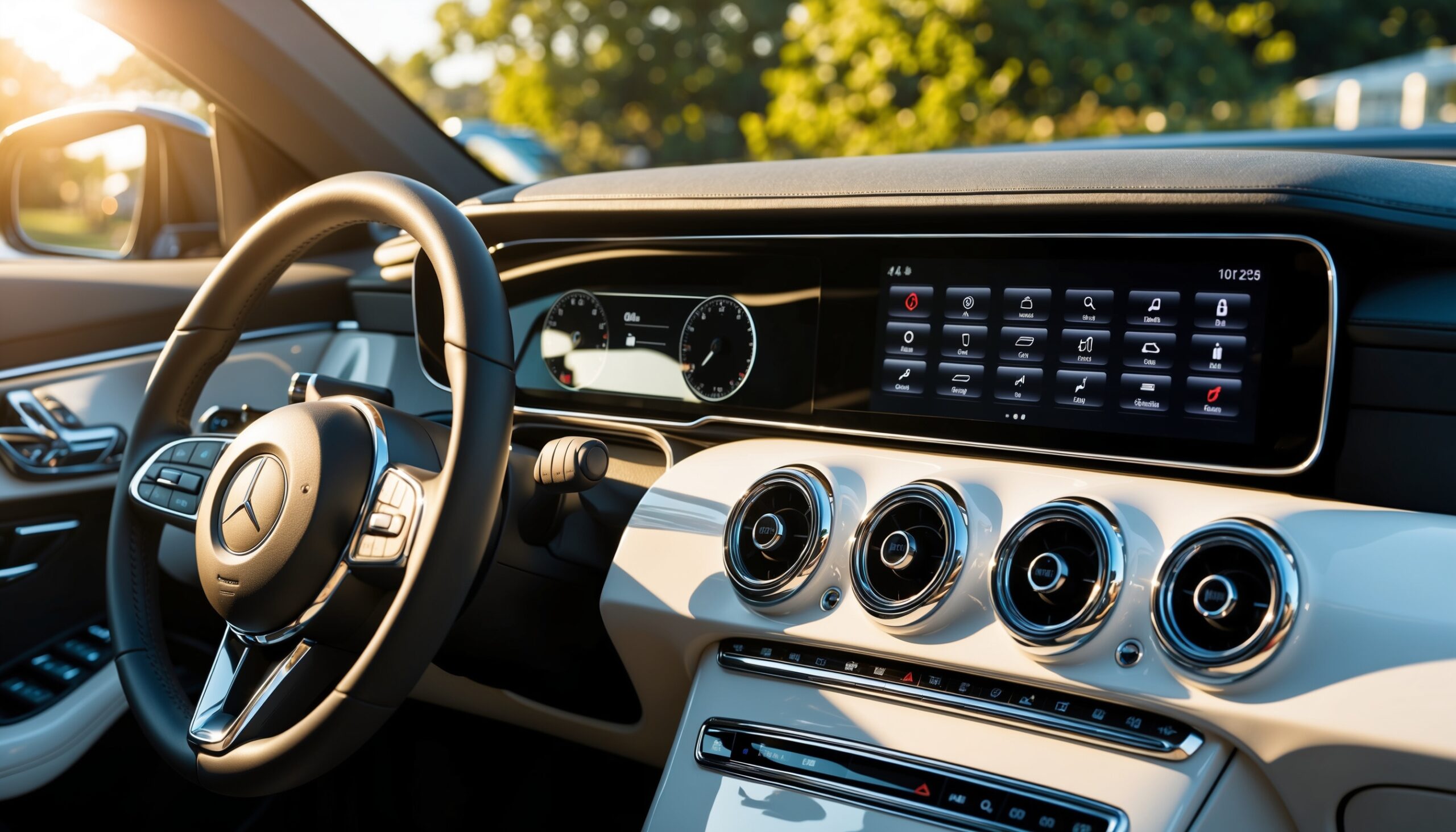
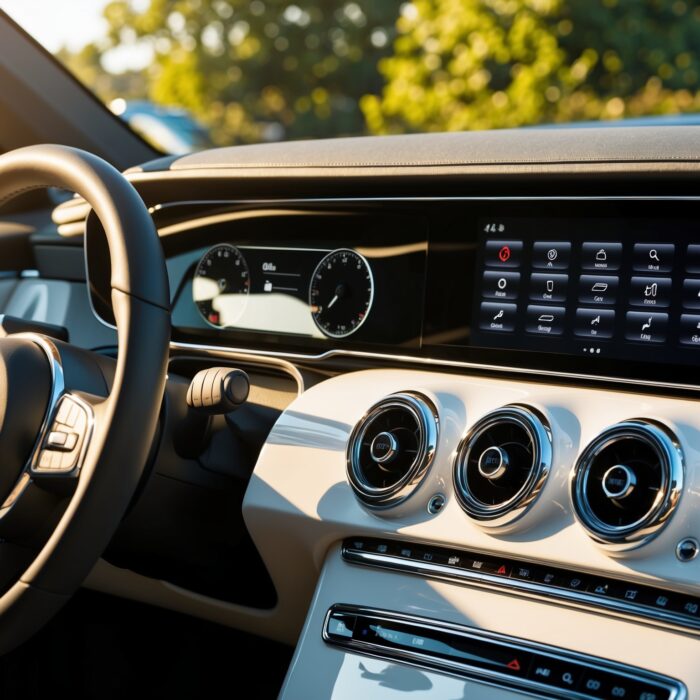
With the rise of smartphones and smart devices, car connectivity has become increasingly important. The next-generation Magma could feature an intuitive infotainment system that integrates seamlessly with users’ devices, providing access to navigation, music, and even vehicle diagnostics.
Performance Monitoring
Enthusiasts love data, and the ability to monitor performance metrics in real-time can enhance the driving experience. Whether through a dedicated app or an integrated dashboard, future Magma models could allow drivers to track their performance, making modifications and improvements more accessible.
Final Thoughts: A Balancing Act
As we consider the future of the Genesis Magma, it’s clear that the path forward will require a delicate balance between tradition and innovation. Whether the brand opts for a fully electric model, continues with gas engines, or embraces a hybrid approach, the key will be to stay true to the core values that have made Genesis a beloved name in the automotive world.
Car enthusiasts have a passion that drives their connection to vehicles like the Genesis Magma. As we move into an uncertain future, one thing is sure: the love for performance, design, and driving experience will always remain at the heart of automotive culture. At Torque Feed, we’ll be watching closely as the next chapter unfolds for the Genesis Magma, excited for whatever comes next.