The Benefits of Torsion Beam Rear Suspension in New Mazda 3s
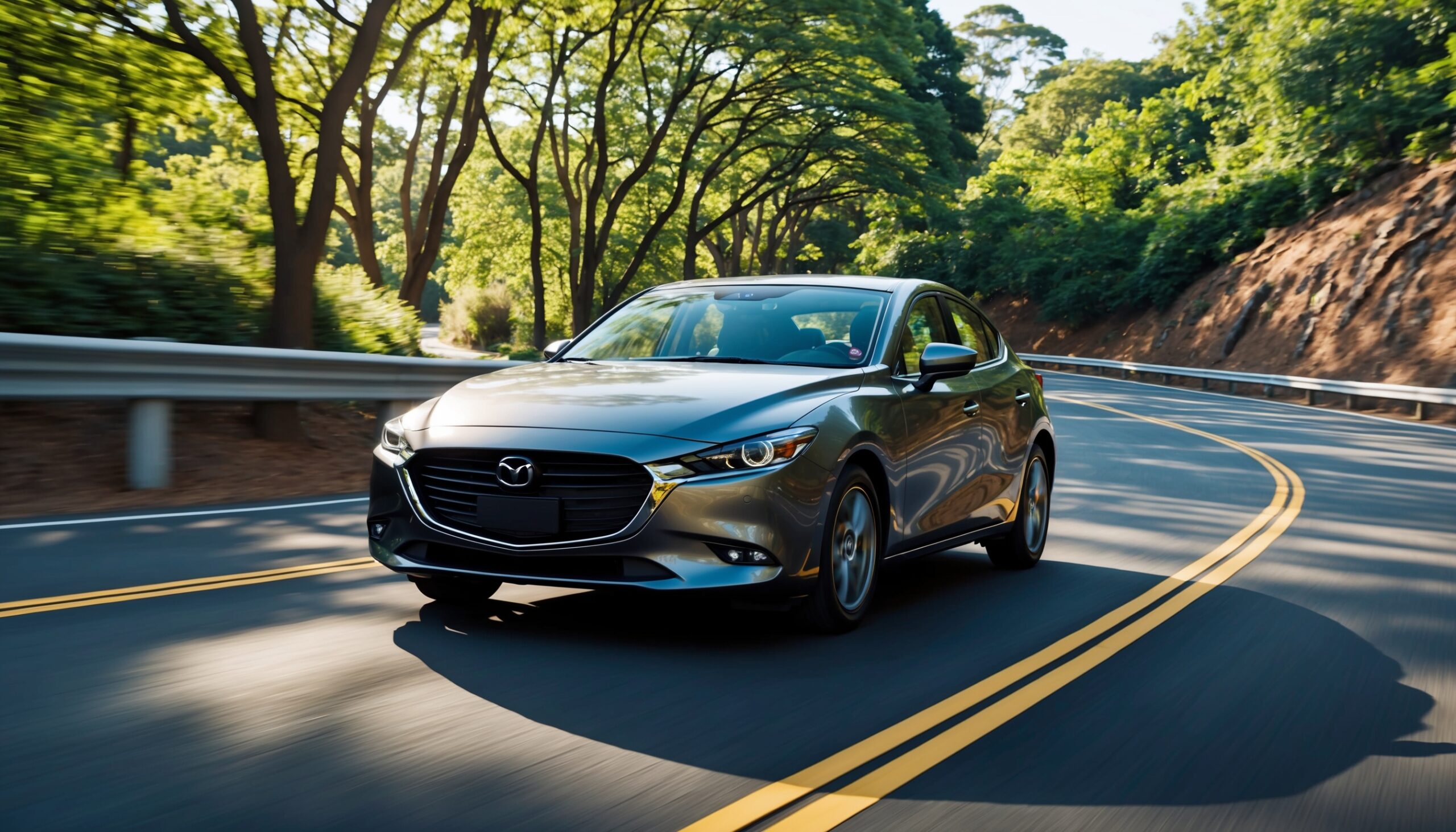
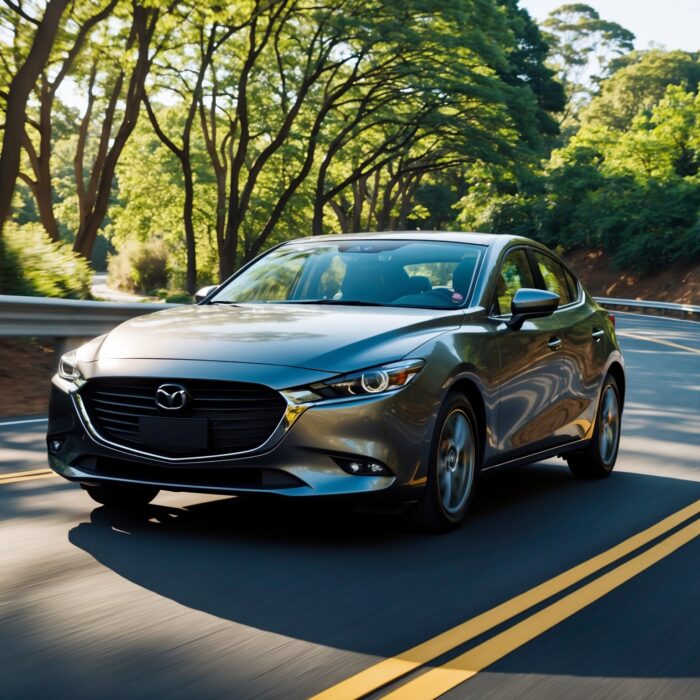
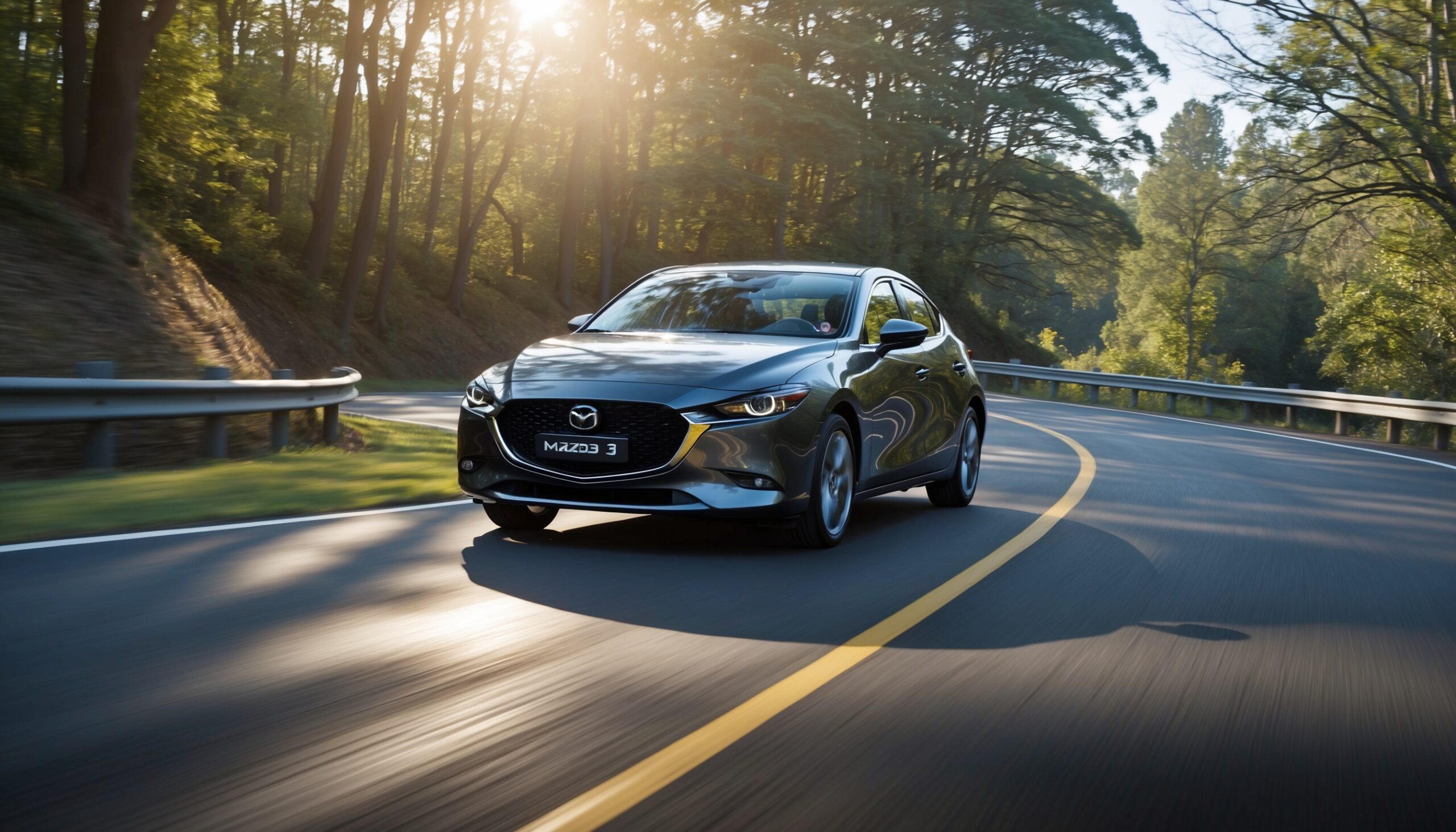
When it comes to the automotive world, enthusiasts are always on the lookout for innovative technologies that enhance driving dynamics, comfort, and overall performance. One such technology that has gained traction in recent years is the torsion beam rear suspension, especially in popular models like the new Mazda 3. The Mazda 3 has long been celebrated for its engaging driving experience, and the integration of a torsion beam rear suspension system adds another layer to its appeal. In this post, we’ll dive deep into what makes this suspension design stand out and explore the various benefits it brings to the table.
Understanding Torsion Beam Suspension
Before we delve into the benefits, it’s essential to understand what torsion beam suspension is and how it works. Torsion beam suspension is a type of non-independent rear suspension that utilizes a beam (or axle) that twists as the vehicle moves over bumps and uneven surfaces. Unlike independent suspension systems, where each wheel can move independently, torsion beam systems are connected, allowing for a more compact design that is often lighter and simpler to manufacture.
Key Features of Torsion Beam Suspension
- Compact Design: Torsion beam systems take up less space compared to independent setups, allowing for more room in the vehicle’s trunk or cabin.
- Cost-Effective: The simpler construction and fewer components make torsion beam systems more cost-effective, which can translate to lower vehicle prices.
- Weight Savings: A lighter suspension system can improve fuel efficiency and overall vehicle dynamics.
- Durability: With fewer moving parts, torsion beam suspensions tend to be more durable and require less maintenance over time.
The Driving Experience: A Perfect Balance
One of the most significant benefits of the torsion beam rear suspension in the new Mazda 3 is how it contributes to the driving experience. Mazda has long been known for its “Zoom-Zoom” philosophy, emphasizing that driving should be fun and engaging. The torsion beam suspension enhances this philosophy in several ways:
Improved Stability
With its solid connection between the rear wheels, the torsion beam design provides improved lateral stability. This means that during cornering, the Mazda 3 feels more planted, giving drivers the confidence to push the limits without the fear of losing traction.
Better Ride Quality
Thanks to its ability to absorb bumps and imperfections in the road, the torsion beam rear suspension offers a more comfortable ride. The design allows for better shock absorption, ensuring that passengers experience a smoother journey even on less-than-ideal road conditions.
Enhanced Handling Characteristics
For car enthusiasts, handling is a critical aspect of performance. The torsion beam rear suspension in the Mazda 3 is engineered to strike a balance between comfort and sporty handling. Here’s how it achieves that:
Predictable Cornering
The predictable behavior of the torsion beam allows drivers to understand how the car reacts in various driving scenarios. This predictability enables drivers to make more informed decisions while cornering, enhancing their overall confidence on the road.
Minimal Body Roll
During aggressive driving maneuvers, body roll can be a significant concern. The torsion beam suspension helps mitigate excessive body roll, providing a flatter ride while cornering. This characteristic makes the Mazda 3 feel more agile and responsive, a quality that driving enthusiasts cherish.
Real-World Performance
While theoretical benefits are essential, real-world performance is where the torsion beam rear suspension truly shines. Numerous reviews from automotive experts and enthusiasts alike have highlighted the Mazda 3’s performance on both city streets and highways:
City Driving
In urban settings, the Mazda 3’s torsion beam suspension excels at handling potholes, speed bumps, and other common road imperfections. Drivers report a comfortable ride that doesn’t sacrifice responsiveness, making daily commutes a breeze.
Highway Cruising
On the highway, the stability and predictability of the torsion beam system become evident. Drivers appreciate the smooth ride and reduced fatigue during long trips, as the suspension effectively absorbs road noise and vibrations.

Cost-Effectiveness and Maintenance
Another significant advantage of the torsion beam rear suspension is its cost-effectiveness. With simpler mechanics and fewer components, manufacturers can produce these systems at a lower cost, which can lead to more affordable pricing for consumers. Additionally, the durability of torsion beam suspensions means fewer repairs and maintenance over time, further adding to their appeal.
Lower Repair Costs
Thanks to the fewer moving parts involved in a torsion beam system, repair costs are generally lower than those for independent suspension systems. This aspect is particularly appealing for budget-conscious consumers who want a reliable vehicle without the burden of high maintenance bills.
Long-Term Reliability
Many Mazda 3 owners have reported that their vehicles with torsion beam rear suspension have stood the test of time. With less wear and tear on the suspension components, drivers can expect their Mazda 3s to maintain peak performance for years to come.
Also Read: Innovative Crash Test Dummy Enhances Car Safety for Women
The Environmental Impact
In today’s automotive landscape, sustainability is becoming increasingly important. The torsion beam design not only offers performance and cost benefits but can also contribute to a smaller environmental footprint:
Improved Fuel Efficiency
The lighter weight of a torsion beam suspension helps improve fuel efficiency. With less weight to carry, the engine can operate more efficiently, translating into fewer emissions and a smaller carbon footprint for the vehicle.
Reduced Material Usage
Because torsion beam systems require fewer components, the manufacturing process can lead to reduced material consumption. This aspect is beneficial for the environment and aligns with the automotive industry’s push toward more sustainable practices.
Real-World Testimonials
To further illustrate the benefits of the torsion beam rear suspension in the new Mazda 3, let’s explore some real-world testimonials from Mazda 3 owners:
Owner Feedback
- John D., 2021 Mazda 3: “I love how stable my Mazda 3 feels during turns. The torsion beam really helps keep things planted, and I feel confident pushing it through corners.”
- Sarah T., 2022 Mazda 3: “I was pleasantly surprised by the ride comfort. It feels smooth on rough city streets, and I’ve taken it on long road trips without feeling worn out.”
- Mike L., 2023 Mazda 3: “The cost-effectiveness is a huge plus for me. I haven’t had any major repairs, and I’m impressed with how little maintenance it requires.”
Comparing Torsion Beam to Other Suspension Types
While the torsion beam rear suspension has many advantages, it’s important to compare it with other suspension types to understand its unique position in the automotive landscape.
Independent Suspension
Independent rear suspensions are often praised for their ability to provide superior handling and comfort. However, they come with added complexity, weight, and cost. For everyday driving and affordability, the torsion beam suspension offers an excellent alternative without sacrificing much in terms of performance.
Multi-Link Systems
Multi-link rear suspension systems are designed for high-end performance and luxury vehicles. They provide excellent handling and comfort but can be expensive to manufacture and maintain. The torsion beam system, while not as sophisticated, offers a balanced approach for most drivers seeking a practical yet engaging driving experience.
Future of Torsion Beam Suspension in Mazda
As automotive technology continues to evolve, it will be interesting to see how the torsion beam suspension system adapts. Mazda’s commitment to driving dynamics and customer satisfaction suggests that we may see further enhancements in future models, potentially combining the benefits of torsion beam systems with new technologies such as hybrid or electric drivetrains.
Also Read: Genesis Magma's Future: Embracing Electric and Gas Engines
Innovative Enhancements
Future iterations may include advanced materials that further reduce weight while enhancing durability. Additionally, there could be opportunities to integrate electronic controls to fine-tune the suspension characteristics based on driving conditions.
Final Thoughts on the Mazda 3’s Torsion Beam Suspension
The torsion beam rear suspension in the new Mazda 3 is a testament to Mazda’s engineering prowess and commitment to delivering a fun, engaging driving experience. With its blend of stability, comfort, cost-effectiveness, and long-term reliability, this suspension design is an excellent choice for a wide range of drivers. For those who appreciate a practical yet performance-oriented vehicle, the Mazda 3 with torsion beam suspension is hard to beat. As car enthusiasts, we at Torque Feed celebrate innovations like these that make driving more enjoyable and accessible for everyone.